Simple Kitchen Habits For Beginning Homemakers

These simple kitchen habits for beginning homemakers can get you started when you feel overwhelmed. With so many skills to learn—sourdough, fermenting, cooking from scratch—it’s easy to feel overwhelmed. Here are some simple habits that will help you gain confidence, save money, and build a sustainable routine that supports your family.
This post may contain affiliate links. Please read our disclosure policy.
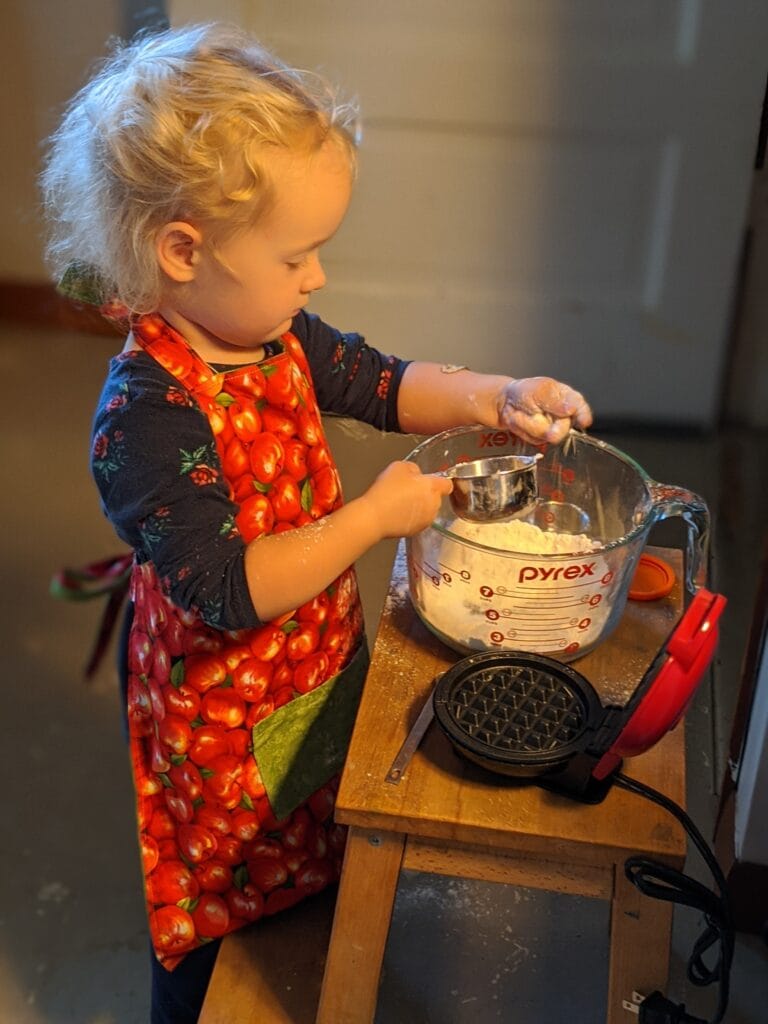
From-Scratch Recipes And Simple Kitchen Habits: Start Small
Cooking from scratch doesn’t mean you have to make everything all the time. Choose one or two staples to focus on:
- Bone broth: Save bones to simmer into a flavorful base for soups and sauces. It’s frugal and minimizes waste. Here’s my post with all the details about how to make it!
- Condiments: Mayonnaise is one very easy and versatile condiment to make yourself!
- Snacks: Try energy balls, gelatin jigglers, or roasted chickpeas as healthy, homemade alternatives to packaged snacks.
Keep It Realistic: If one week you make bone broth, focus on a quick sourdough bread recipe the next.
How to make homemade bone broth:
- Fill a pot with bones.
- Cover with water.
- Add a splash of apple cider vinegar to help leech the minerals out.
- Slowcook for 12 to 48 hours, pressure cook for 2-3 hours.
- When your broth is finished, use it right away, or strain it into small jars.
- Make sure there’s a thick layer of fat on top of each one.
- Let it cool a bit, then put a clean lid on it and store it in your fridge.
- That layer of fat on the top will help it keep fresh for weeks, if it lasts that long.
- Use it to replace water in any recipe: rice, pasta, casseroles or soup.
Create A Simple Self-Sufficient Kitchen Routine
To make these habits stick, integrate them into your daily life:
- Choose One Habit at a Time: Start with sourdough or a single ferment, then add more as you feel comfortable. Do a little each day, and keep them out of the counter so you don’t forget about them!
- Plan Your Chosen Project Into A Meal For The Day: If you make bone broth one day, make some of it into soup that evening. If you’re gearing up to make kraut, serve some of it as a fresh side with lunch.
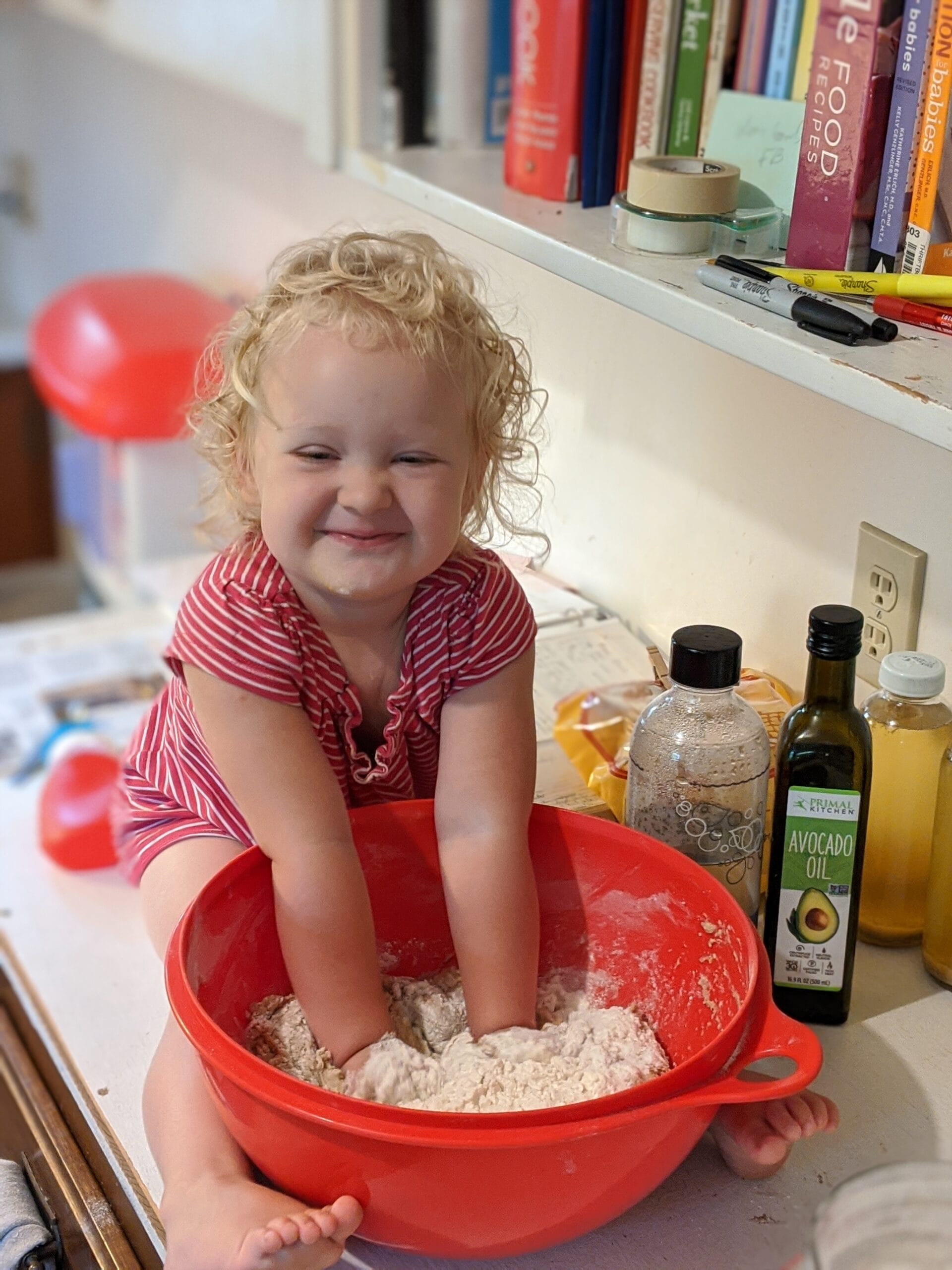
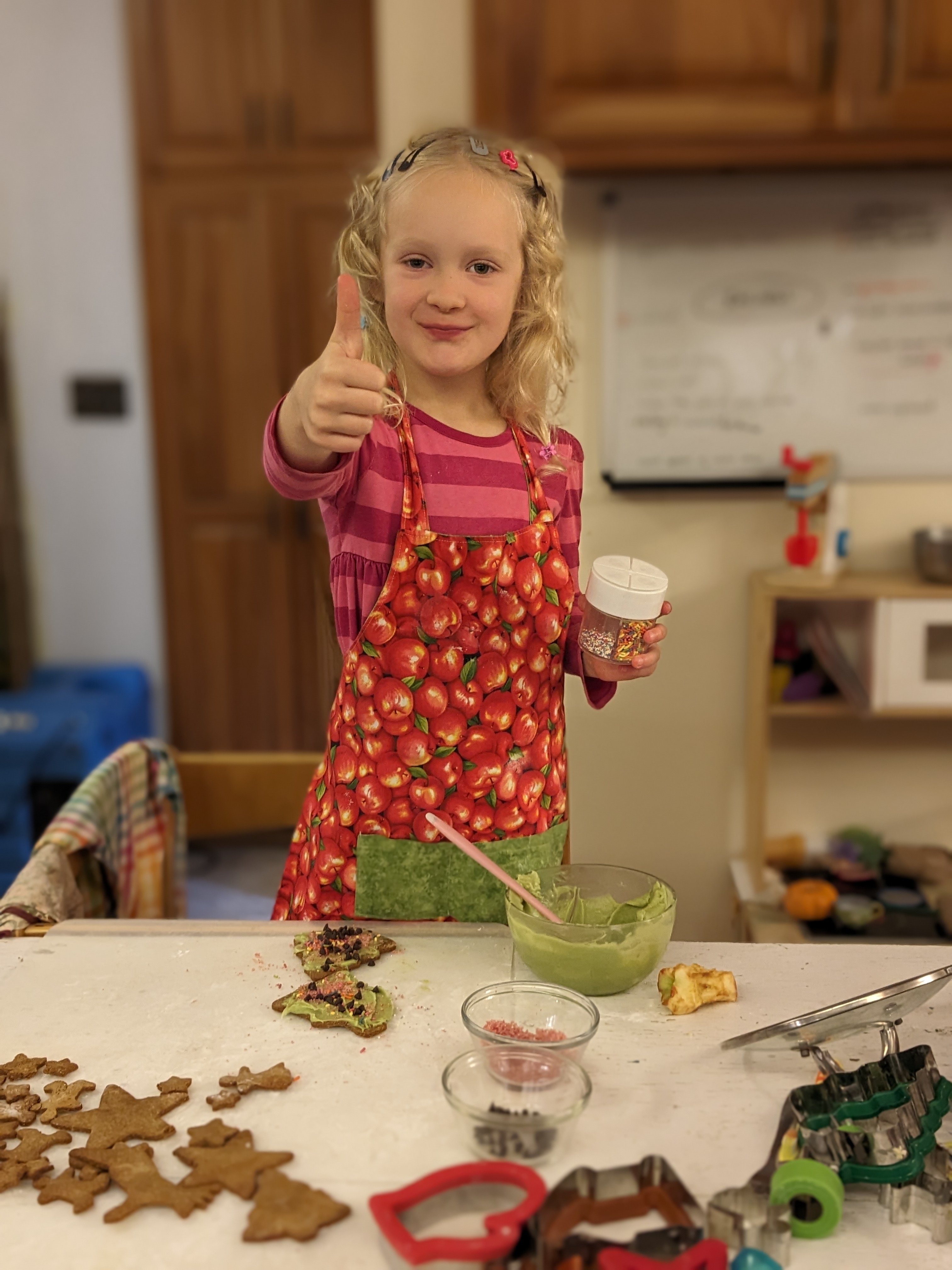
- Get the Family Involved: Kids can help knead dough or pack jars with vegetables, turning your kitchen into a family-friendly space. I can’t keep my kids away when I’m working on a food project, and when they get to help, they’re more likely to eat it!
- Create Routine: When you notice you’re low on a homemade kitchen staple, be sure to add the ingredients you’ll need for it to your grocery list. Plan it into a meal for the next week, and set a day to get it done.
Why It Matters: Developing a sustainable rhythm will keep your new habits manageable and fun, rather than overwhelming.
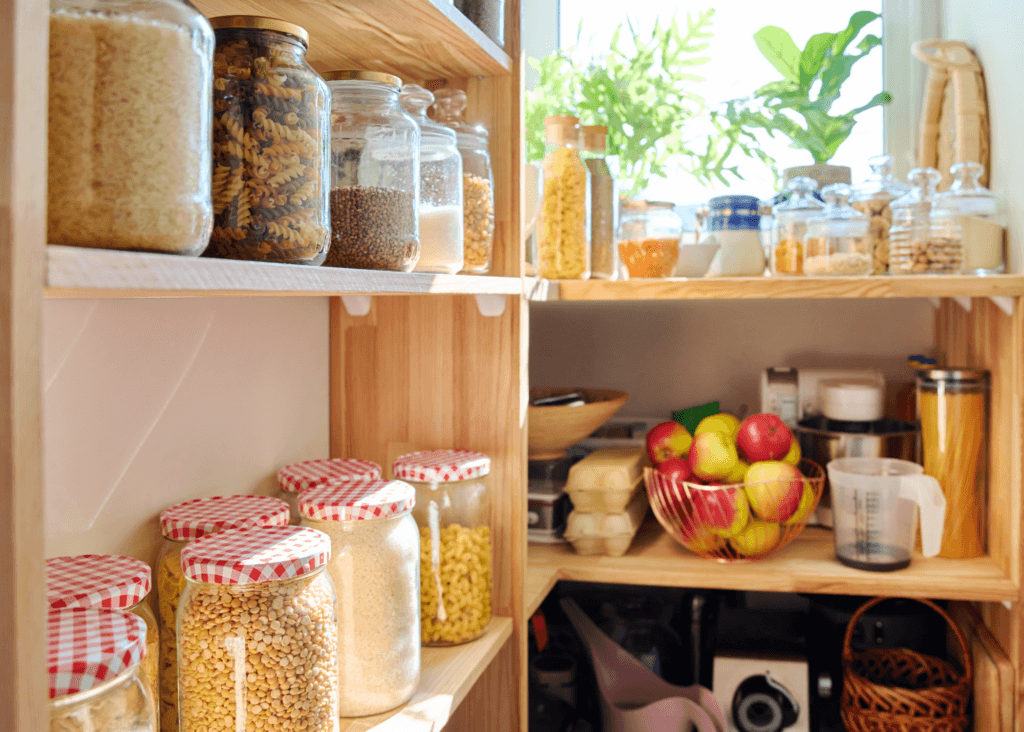
Build Your Kitchen Pantry With Purpose
As you start cooking from scratch, your pantry will become your best friend. Create an “ingredients kitchen.” Focus on these essentials:
- Bulk Ingredients: Flour, sea salt, sweeteners, meat, and fats are versatile and affordable when bought in bulk.
- Canned And Dry Goods: Stock up on pantry staples when they’re on sale.
- Eco-Conscious Storage: Use repurposed glass jars or mason jars to store your homemade goods.
Labels: Write a date and name on everything to track freshness and prevent waste. You can write on glass with a Sharpie marker and it will stay on for quite awhile!
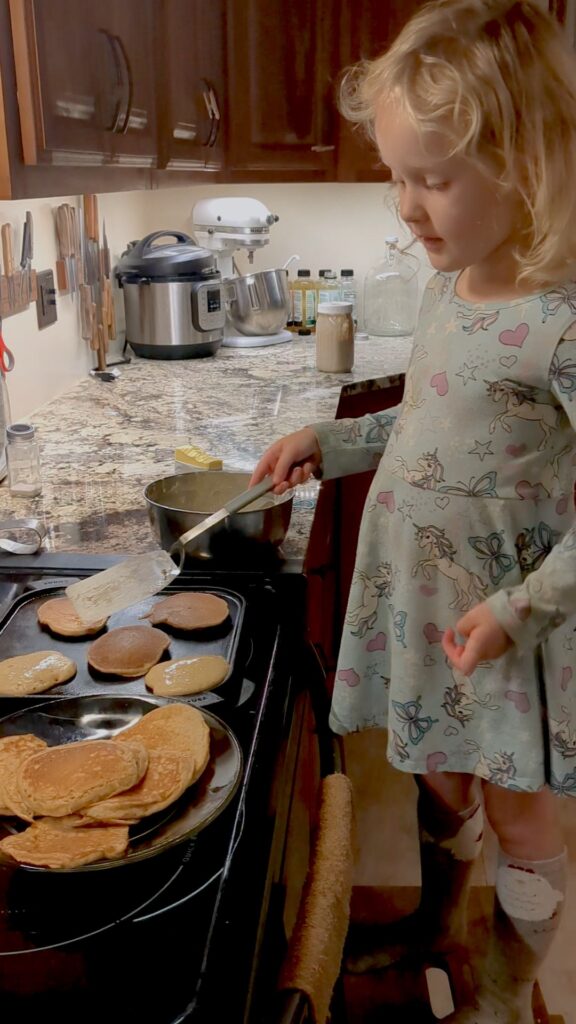
Make A Sourdough Starter Discard Quick Bread: Sourdough For Beginners
Sourdough is the perfect entry point into self-sufficient baking. Why? It’s just flour, water, and a little time. Here’s how to get started (recipes coming soon!!):
- Create Your Starter: Mix equal parts water and flour in a jar, leave it on your counter, and “feed” it daily. In 5-7 days, you’ll have a bubbly starter ready to use.
- Start with quick recipes: No need to toss any discard starter. Just make pancakes (or something similar)! I still mostly only make quick recipes with my starter! My favorites are pancakes, waffles or English muffins.
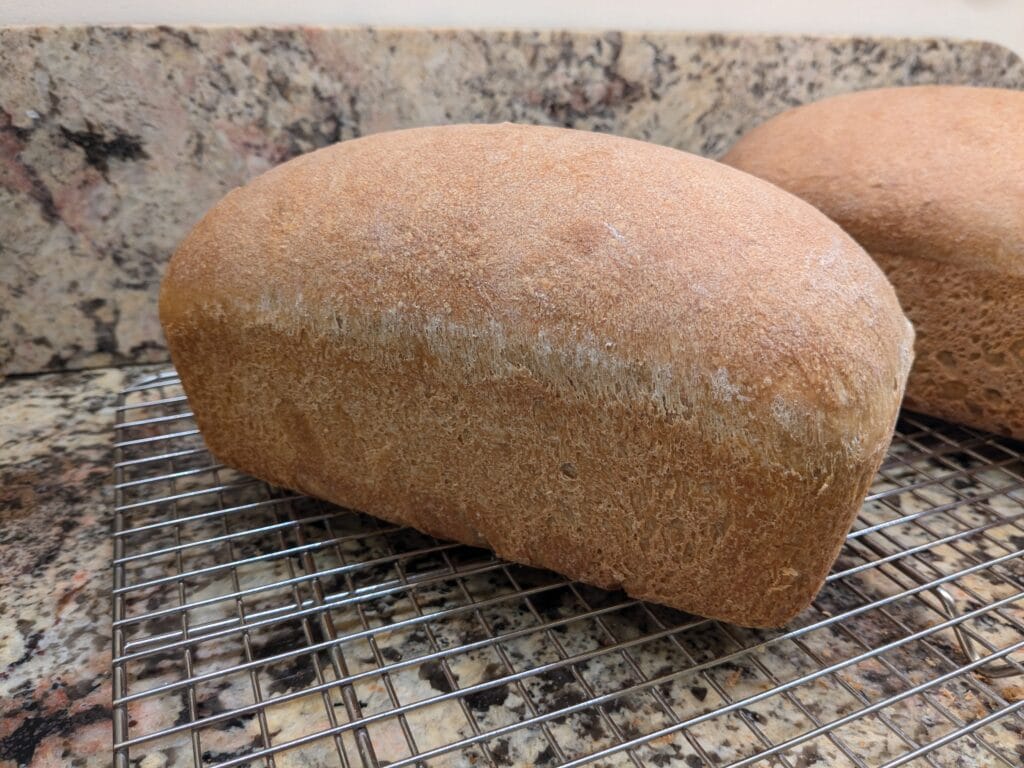
- Bake a Simple Loaf: Start with a beginner-friendly sourdough recipe. Don’t worry about perfection—practice makes progress.
Why Sourdough? Homemade sourdough is healthier, tastier, and more affordable than store-bought bread. It’s also a gateway to understanding natural fermentation, a skill you can use in other recipes.
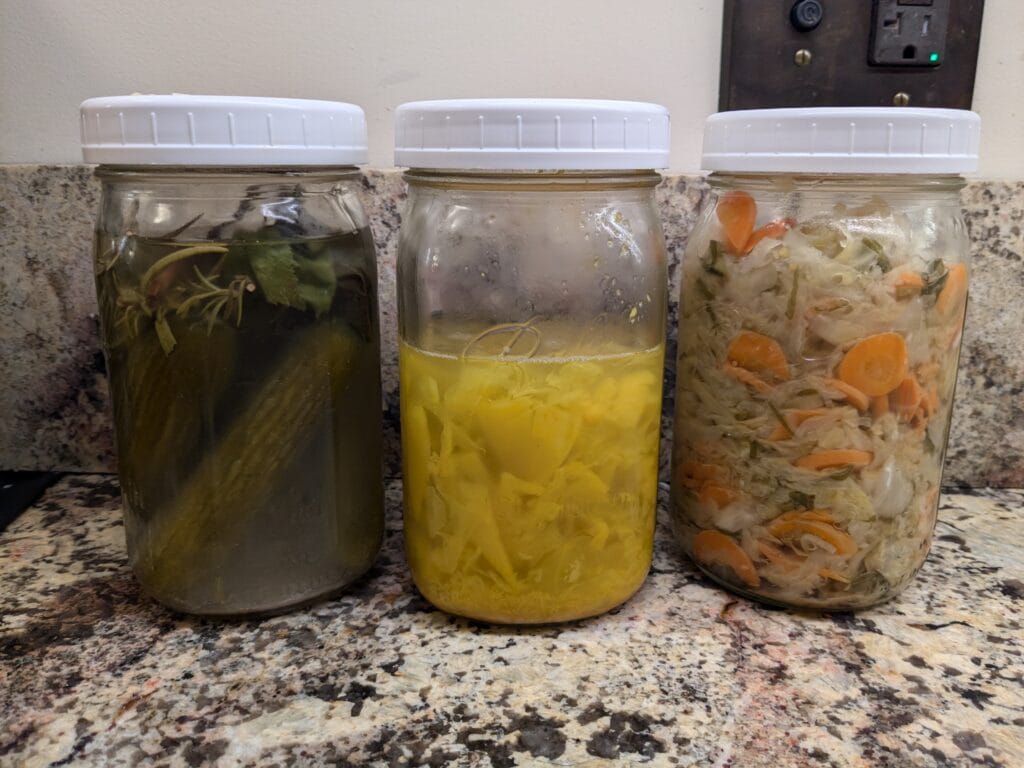

Explore More Fermentation: Simple Kitchen Habits For Beginning Homemakers
Fermented foods not only boost gut health but also extend the shelf life of your produce, reducing waste. Start small with these:
- Sauerkraut: Shred cabbage, add salt, and pack it tightly into a jar. Let it ferment on your counter for 1-2 weeks.
- Pickles: Fermented cucumbers or carrots are crunchy, flavorful, and ready in a few days.
- Yogurt: If you already buy milk, making yogurt at home is a budget-friendly and satisfying habit. All you need is milk and a spoonful of store-bought yogurt to act as a starter.
- Drinks: Homemade kombucha, Jun, or water kefir are easier than you think! Find a culture, add the food it needs, give it time to get bubbly, and you have homemade beneficial soda.
Why Fermentation? Fermenting at home supports gut health and turns simple ingredients into superfoods.
One Last Note: Meal Planning Is Overrated
I have never been able to stick to a meal plan. I’ve tried others’ meal planning calendars and grocery lists and it NEVER works for me.
What does work, however, is just having a stocked pantry and freezer, cooking in season and planning on left overs.
- Keep Basics Stocked: meat in the freezer, dry good in the pantry, even drawers full of produce and cheese in the fridge. Buy as much good quality food as you can, for the best price possible, that you will be able to use up before it goes bad.
- Eat In Season: What’s on sale right now? What’s local? What are you craving? I find that my tastes follow the season.
- Meal List: Keep a running list on your phone or fridge of meals you are craving or that would use lots of seasonal foods.
- Shop Your Freezer and Pantry: Pull the meat you’ll need out of the freezer at the beginning of the week. Don’t forget things like sausage or bacon for breakfast, or just a pound of hamburger you can make into anything for meals that catch you off guard.
- Grocery List: Check the recipes you’re hoping to use and put anything you need on a grocery list.
Why It Matters: This allows you to go with the flow of your week, making big meals on days that you have more time, planning for left-overs, and always having ingredients on hand for quick homemade meals if you need them.
Simple Kitchen Habits For Beginning Homemakers
Starting a self-sufficient kitchen is about progress, not perfection. By trying some basic sourdough recipes, experimenting with fermentation, and cooking from scratch one step at a time, you’ll create a routine that nourishes your family and aligns with your values. Small, consistent efforts add up to big changes.
Ready to try your first project? Start with the thing you are craving most and share your progress!
Follow Maxon Made for more recipes, tips, and inspiration for living a resilient, simple life.
Pin It For Later



YES. Goodness, there’s so much great advice here but let me just say I cannot agree more about meal planning. It doesn’t work for me either! I’ve tried, but it just does not work for me. Looking at what I have to use up and being creative is what works. Simple! Keeping things simple.
Solidarity in simplicity! Thanks for sharing, Rachel!